Archives
- 2026-07
- 2026-06
- 2026-05
- 2026-04
- 2026-03
- 2026-02
- 2026-01
- 2025-12
- 2025-11
- 2025-10
- 2025-09
- 2025-03
- 2025-02
- 2025-01
- 2024-12
- 2024-11
- 2024-10
- 2024-09
- 2024-08
- 2024-07
- 2024-06
- 2024-05
- 2024-04
- 2024-03
- 2024-02
- 2024-01
- 2023-12
- 2023-11
- 2023-10
- 2023-09
- 2023-08
- 2023-07
- 2023-06
- 2023-05
- 2023-04
- 2023-03
- 2023-02
- 2023-01
- 2022-12
- 2022-11
- 2022-10
- 2022-09
- 2022-08
- 2022-07
- 2022-06
- 2022-05
- 2022-04
- 2022-03
- 2022-02
- 2022-01
- 2021-12
- 2021-11
- 2021-10
- 2021-09
- 2021-08
- 2021-07
- 2021-06
- 2021-05
- 2021-04
- 2021-03
- 2021-02
- 2021-01
- 2020-12
- 2020-11
- 2020-10
- 2020-09
- 2020-08
- 2020-07
- 2020-06
- 2020-05
- 2020-04
- 2020-03
- 2020-02
- 2020-01
- 2019-12
- 2019-11
- 2019-10
- 2019-09
- 2019-08
- 2018-07
-
Given the link between E s autoimmunity and antitumor immuni
2021-08-28

Given the link between E3s, autoimmunity, and antitumor immunity, it MK-0518 synthesis is reasonable to assume that, similar to other ICBs, IRAEs may limit the clinical use of E3-targeting therapies – further stressing the need to better understand the underlying mechanisms of these unwanted effect
-
We recently described the benzoxazin one
2021-08-28
We recently described the 1,3-benzoxazin-4-one analogue of LY294002 and showed it to have pan-PI3K and DNA-PK activity [2]. We have also reported on the activity of other family members, such as 3 which causes sensitization of lung cancer and colon cancer cells to radiation [11] and 4 (LTUSI122) as
-
Overall the DDR kinase domain has a typical kinase domain
2021-08-27
Overall, the DDR1 kinase domain has a typical kinase domain structure and adequate sequence and/or structure similarity with other kinase domains, as shown in Fig. 2, which allow homology modeling of the active and inactive conformations. In addition to conformational changes to the activation loo
-
This study had some limitations
2021-08-27
This study had some limitations. First, a small number of HP patients were enrolled because of the extreme rarity of this disease, which may have caused some selection bias. Yokoseki et al., found no increase in Th2 cytokines, such as IL-4, in IHP patients (Yokoseki et al., 2014). The sensitivity of
-
Introduction The COMT gene is located on chromosomal band q
2021-08-27
Introduction The COMT gene is located on chromosomal band 22q11.2, extends over 28 kb, contains six exons, and encodes for catechol-O-methyl-transferase (Weinshilboum and Raymond, 1977; Grossman et al., 1992; Lundström et al., 1995; Bearden et al., 2005). This enzyme plays a major role in regulatio
-
Introduction Primitive neuroectodermal tumors PNETs are mali
2021-08-27
Introduction Primitive neuroectodermal tumors (PNETs) are malignant, small round cell tumors of neural crest origin which typically arises from bone or soft tissue in the trunk/axial skeleton/paraspinal regions in adolescents and young adults and comprises of 50% cases with local recurrence and met
-
br Conclusion In this study we investigated functional alter
2021-08-27
Conclusion In this study, we investigated functional alterations of ECs following exposure to mechanical and/or physicochemical stimuli. Specifically, hypoxia induced phosphorylation with significant increases after 30 min and the maximum increase was after 180 min. Our data show that a combinati
-
br Materials and methods br Results br Discussion
2021-08-26
Materials and methods Results Discussion In this study, we employed a liquid chromatography mass spectrometry (LC–MS)-based metabolomic approach to profile GEF metabolism and bioactivation in human and mouse liver microsomes. Metabolomic approaches rendered us readily screen out the GEF-rel
-
It was reported that the expressions of DPP
2021-08-26
It was reported that the expressions of DPP-4 and SDF-1α increase through HIF-1α [27], [28]. Myocardial ischemia by MI enhanced the DPP-4 and SDF-1α levels in myocardium in the present study. SDF-1α is released from cardiomyocytes and has beneficial effects on cardiomyocytes through SDF-1α/CXCR4 aft
-
br Introduction The allergic response is a complex
2021-08-26
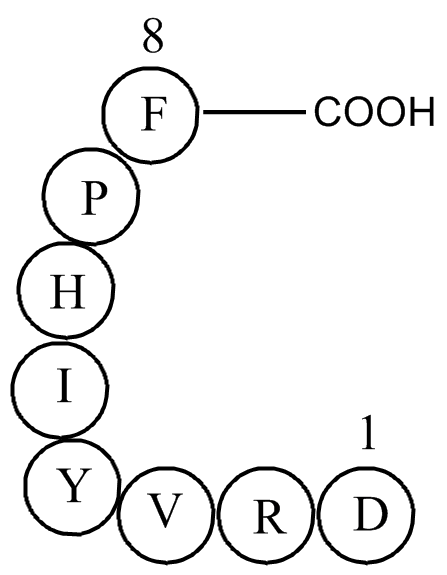
Introduction The allergic response is a complex process involving the interaction of several mediators; among these, cysteinyl leukotrienes (CysLTs) represent one of the most important actors in the pathogenesis of airway allergic diseases such as allergic rhinitis and asthma [1]. Pharmacological
-
CEP-37440 Redundancy of tumor promoting signaling pathways i
2021-08-26
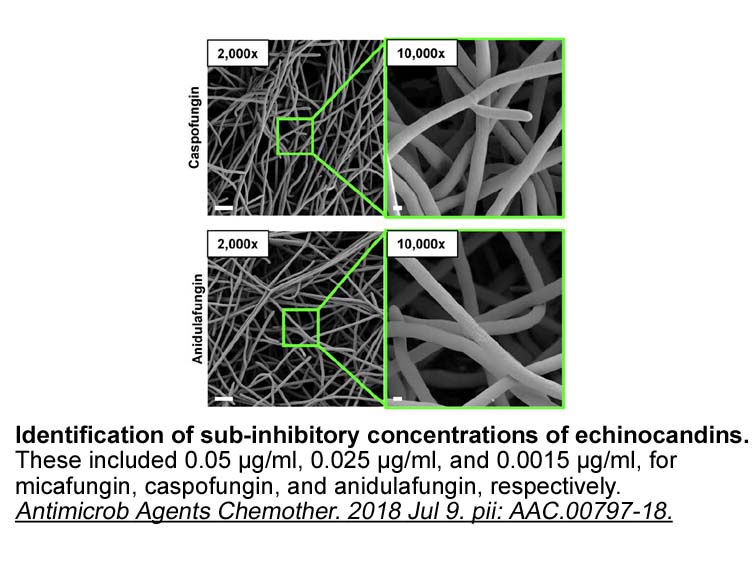
Redundancy of tumor promoting signaling pathways is one of the mechanisms that prevent a lasting effect of targeted therapies, as has been demonstrated by the growing number of alternative pathways that confer resistance to EGFR-targeted therapies [3]. We show here that CSF-1R can, at least partiall
-
Although the phase I clinical trial of LMB was
2021-08-26
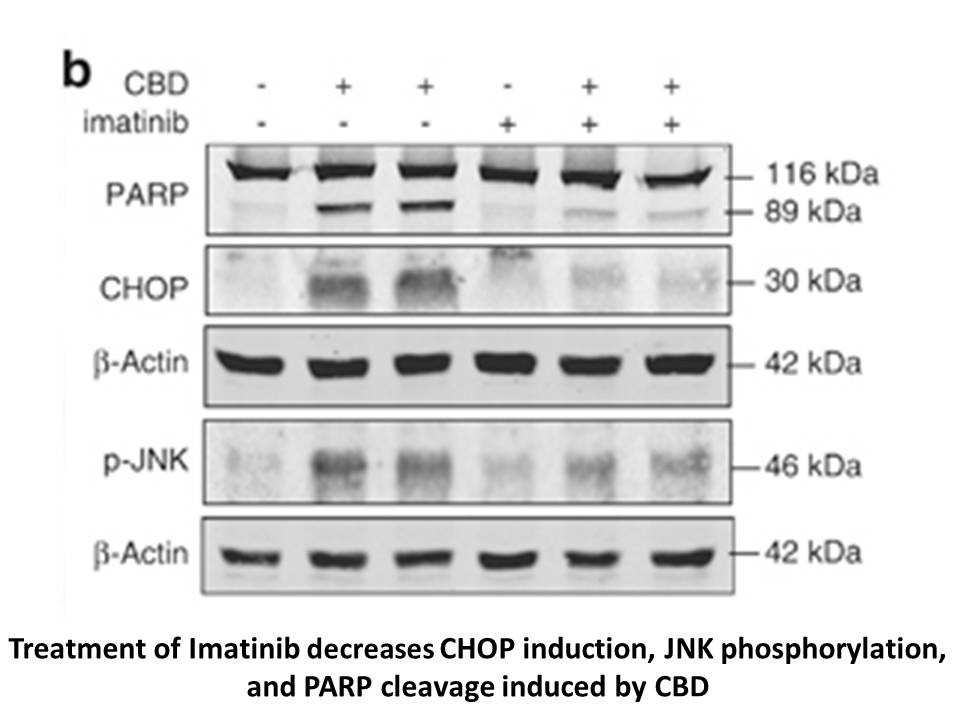
Although the phase I clinical trial of LMB was unsuccessful, the detailed review of this trial only mentions some malaise and anorexia as side effects, which are common for most effective chemotherapeutic drugs. These side effects may diminish if lower doses are administered. In view of the novel CR
-
Besides the regulation of the stress responses
2021-08-26
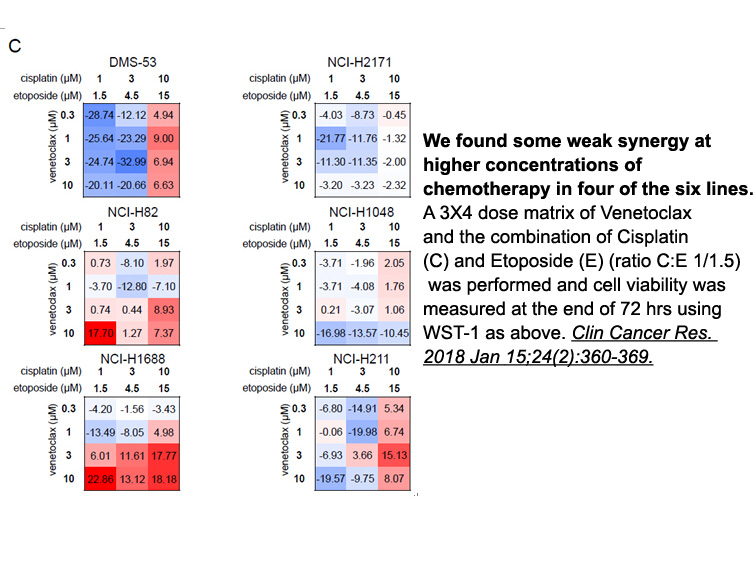
Besides the regulation of the stress responses, CRF and the urocortins have been implicated in drug addiction (Bruijnzeel and Gold, 2005, Sarnyai et al., 2001). For instance nicotine, the addictive substance of tobacco, can activate the HPA axis, just like any other stressor may do, although its imp
-
br Results br Discussion Drug
2021-08-26
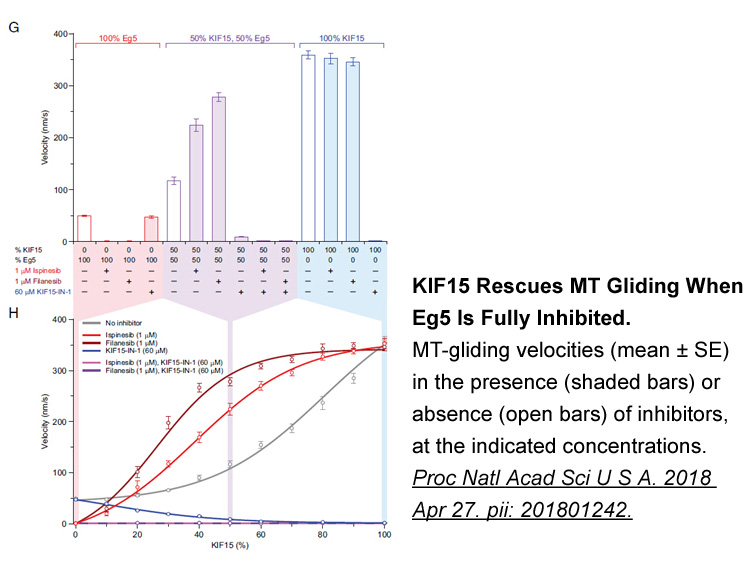
Results Discussion Drug resistance poses the greatest hurdle of achieving high efficacy with AADs in cancer patients. AAD-treated cancer patients often encounter intrinsic and evasive drug resistance that diminishes the therapeutic efficacy to only minor survival benefits in most cancer types.
-
The first mammalian mutation linked to CR was identified
2021-08-26
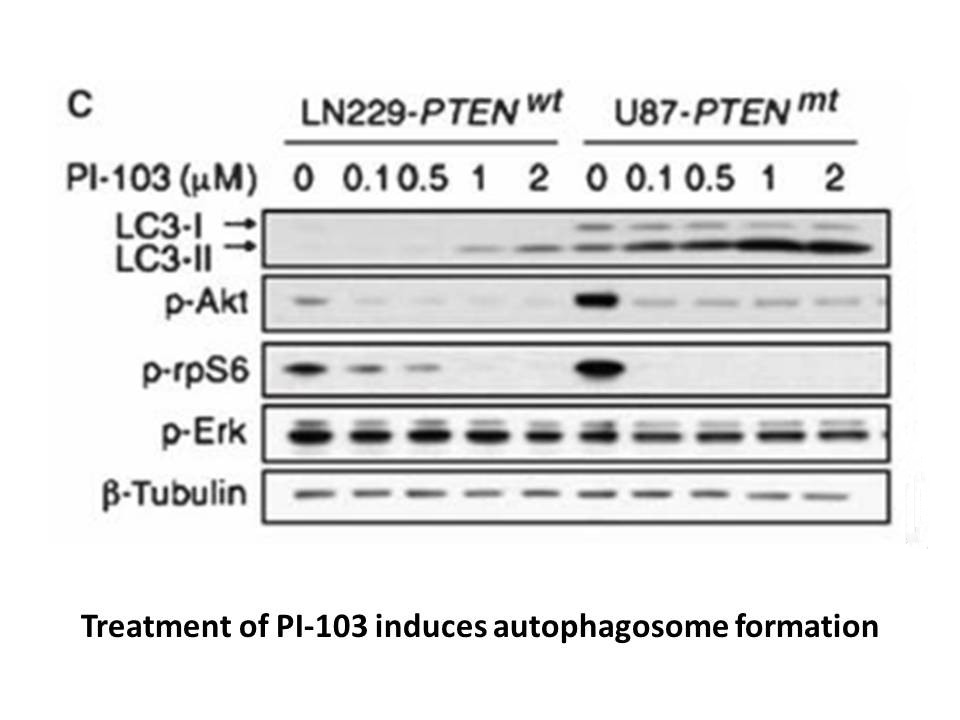
The first mammalian mutation linked to CR was identified in golden hamsters (Mesocricetus auratus). The mutation was an autosomal allele first described in the late 1980s [8] and was identified using positional cloning [9]. These animals displayed a shortened period length (20h in homozygous animals
14692 records 603/980 page Previous Next First page 上5页 601602603604605 下5页 Last page