Archives
- 2026-10
- 2026-09
- 2026-08
- 2026-07
- 2026-06
- 2026-05
- 2026-04
- 2026-03
- 2026-02
- 2026-01
- 2025-12
- 2025-11
- 2025-10
- 2025-09
- 2025-03
- 2025-02
- 2025-01
- 2024-12
- 2024-11
- 2024-10
- 2024-09
- 2024-08
- 2024-07
- 2024-06
- 2024-05
- 2024-04
- 2024-03
- 2024-02
- 2024-01
- 2023-12
- 2023-11
- 2023-10
- 2023-09
- 2023-08
- 2023-07
- 2023-06
- 2023-05
- 2023-04
- 2023-03
- 2023-02
- 2023-01
- 2022-12
- 2022-11
- 2022-10
- 2022-09
- 2022-08
- 2022-07
- 2022-06
- 2022-05
- 2022-04
- 2022-03
- 2022-02
- 2022-01
faah inhibitors The G protein coupled receptor GPR also call
2022-01-31
The G protein-coupled receptor, GPR40 (also called FFAR1) responds to medium and long chain unsaturated fatty acids, resulting in increase of insulin secretion during elevated glucose levels. The glucose dependency of insulin secretion makes this receptor a very good target for developing therapies
The first FPR ligand described is the
2022-01-31
The first FPR1 ligand described is the fMLF peptide, which binds with high affinity (in the nM range) to and activates FPR1. Formylated peptides derived from Listeria monocytogenes also selectively activate FPR1 [10] (Table 1). Formylation of peptides also occurs in mitochondria. Thus, the release o
Fibroblast growth factor receptors FGFRs
2022-01-31
Fibroblast growth factor receptors (FGFRs) play an essential role in the regulation of cell survival, proliferation, migration and differentiation. FGFRs are a family of receptor tyrosine kinases (RTKs) exhibiting an extracellular immunoglobulin (Ig)-like ligand binding domain, a transmembrane domai
The HCV NS A protease consists of two
2022-01-30
The HCV NS3/4A protease consists of two subunits, NS3 and NS4A. NS3 comprises an N-terminal serine protease domain and a C-terminal RNA helicase domain [12]. NS4A acts as a cofactor, which ties the holoenzyme complex to an intracellular membrane compartment. The presence of the central region of NS4
In this study we demonstrated that while Cu I does
2022-01-30
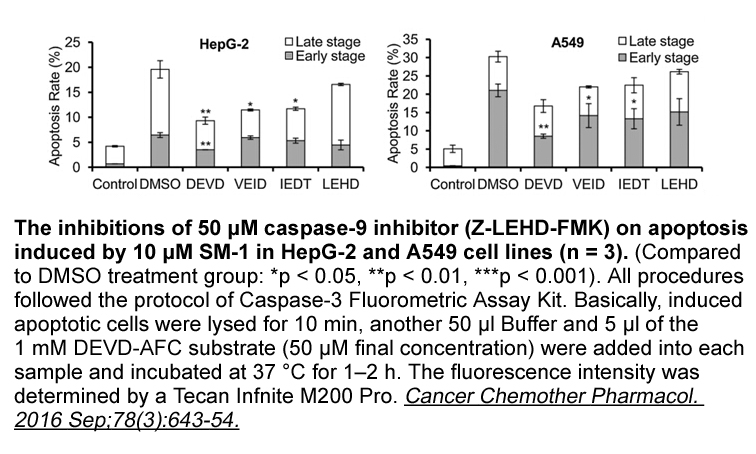
In this study, we demonstrated that while Cu(I) does not affect LPS induced iNOS ikk it inhibits NO release from microglia. Cu(I)-induced GSNOR inhibition and GSNO depletion is more in line with alternative (non-inflammatory) polarization. These results extend our previous findings that Cu(I) elicit
In addition to gonadotropes GnRHRs have also
2022-01-30
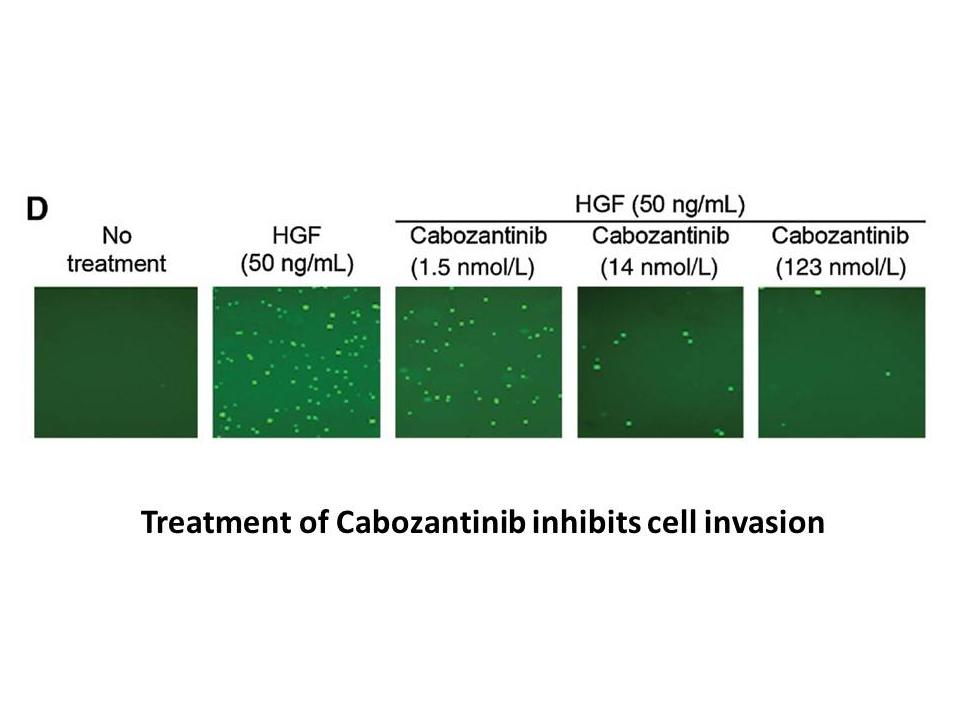
In addition to gonadotropes, GnRHRs have also been detected on somatotropes, lactotropes, thyrotropes, melanotropes, somatolactin (SL) cells, and/or corticotropes using immunohistochemical, radioligand-binding, or mRNA expression approaches across species; including fishes, rats, and humans (La Rosa
br Conclusions Temporally controlled disruption of Gcgr reve
2022-01-30
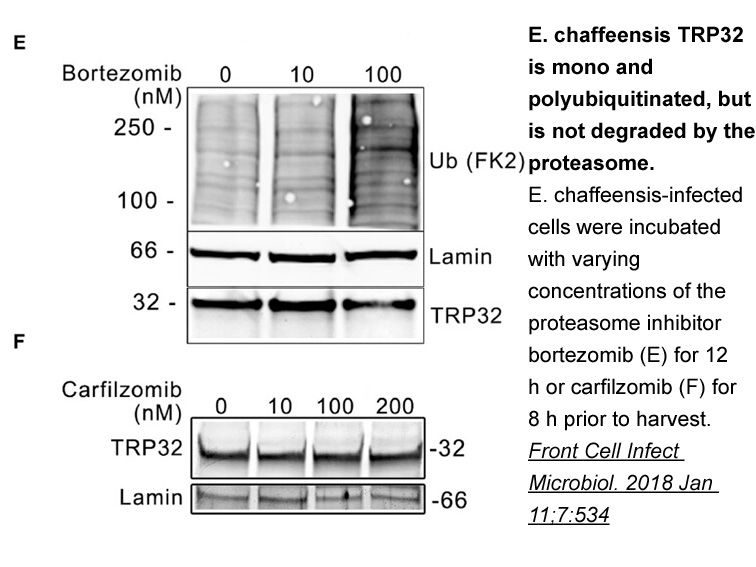
Conclusions Temporally-controlled disruption of Gcgr reveals a lack meaningful contribution to the improvement of glycemic control in insulinopenic conditions attributable to the intrinsic loss of GCGR signaling. On the other hand, these data highlight the importance of compensatory systems, incl
Our initial lead optimization started with
2022-01-30
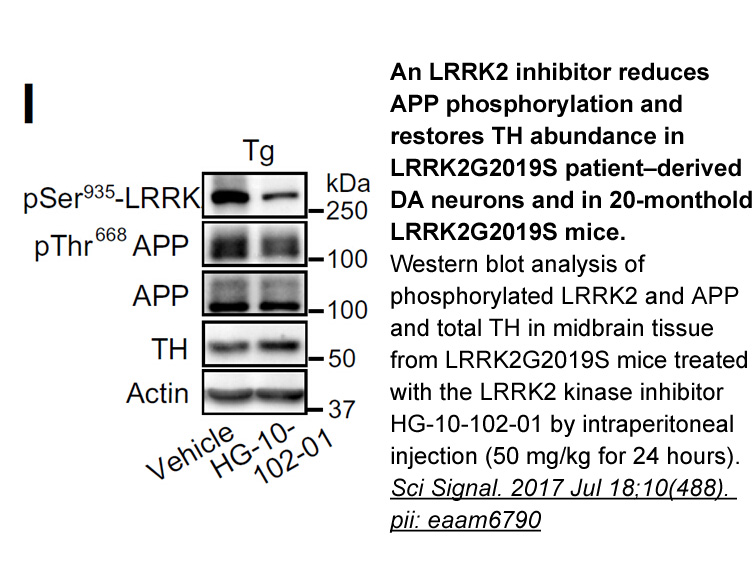
Our initial lead optimization started with the modification of the indole head group as summarized in . Extensive exploration indicated that there was limited tolerance of structural change in this region of the molecule. All of the modifications to the indole moiety, including N-substitution (), li
Compared to a large database of NSCLC samples matched
2022-01-30
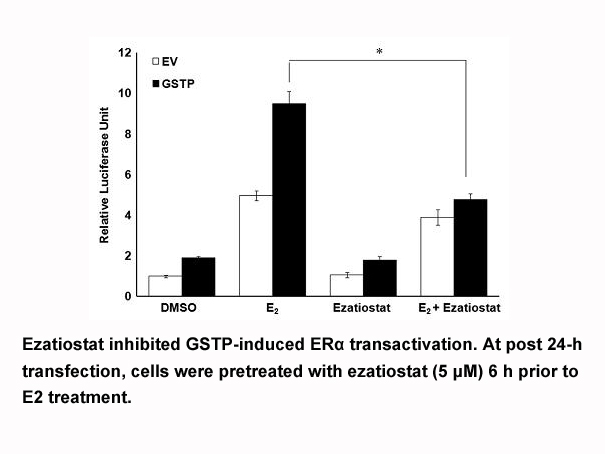
Compared to a large database of NSCLC samples matched for disease type, many of the frequently altered genes were similar to those seen in this series of FGFR fusion-positive samples; however, there were notable exceptions. As expected, alterations in known NSCLC drivers (KRAS and EGFR) were signifi
br Materials and methods br Results br
2022-01-29
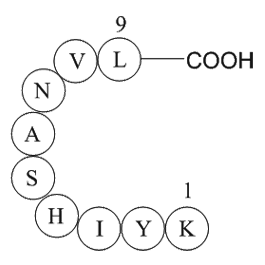
Materials and methods Results Discussion It was previously shown that heterologous DNA vaccines composed of fused cDNA fragments encoding chimeric NH2-terminal human HER2 and COOH-terminal rat neu sequences stimulated stronger antibody responses and protective antitumor immunity than either
The imidazopyridines and related imidazopyrimidines and were
2022-01-29
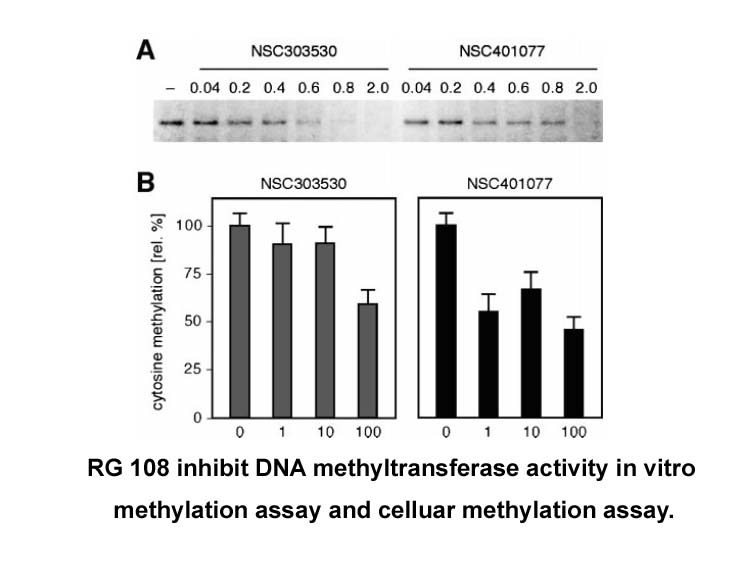
The imidazopyridines and related imidazopyrimidines – and – were constructed from the key amine intermediates – ( X=CH and Ar=2-FPh, X=N and Ar=2-FPh, X=CH and Ar=5-pyrimidine, X=CH and Ar=2-methyl-5-pyrimidine, and X=CF and Ar=2-methyl-5-pyrimidine). These were synthesized a modified Horner–Emmons
An interesting question is why
2022-01-29
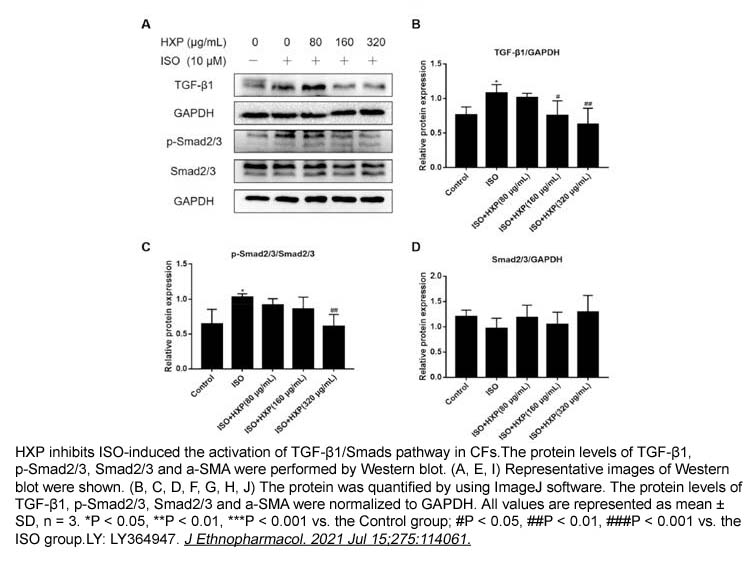
An interesting question is why RhoF has such the slow rate of GDP dissociation. The amino HS-173 mutations in a presumable GDP-binding site of RhoF had only moderate effects on the GDP dissociation (Fig. 3C), which suggests a mechanism involving the global amino acid sequence of RhoF, rather than th
However although lactic acid suppresses the activation of
2022-01-29
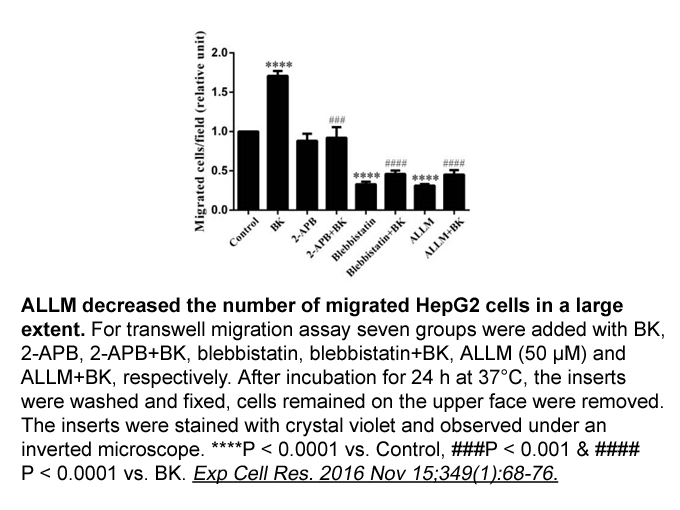
However, although lactic flt3 inhibitor suppresses the activation of effector , rendering them unable to buffer intracellular acidity [32], other T cell subpopulations such as regulatory T cells (Tregs) exhibit metabolic adaptations in low-glucose, high-lactate environments. In particular, Treg tra
GPR shares a amino acid sequence identity in humans
2022-01-29
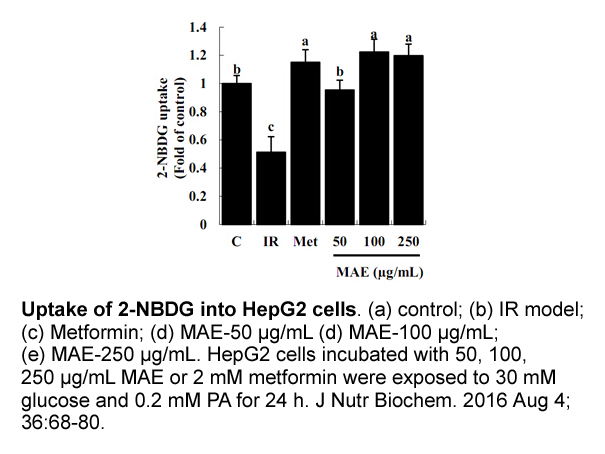
GPR81 shares a 52% amino dna-pk inhibitor sequence identity in humans to GPR109A [1], [2], [3]. In addition, GPR81 is localized more specifically to the adipose tissue [3]. In 2008, lactate was discovered to be the endogenous ligand for GPR81 [9], [10]. Plasma lactate levels reach concentrations cap
RSL3 br Introduction In the treatment of
2022-01-29
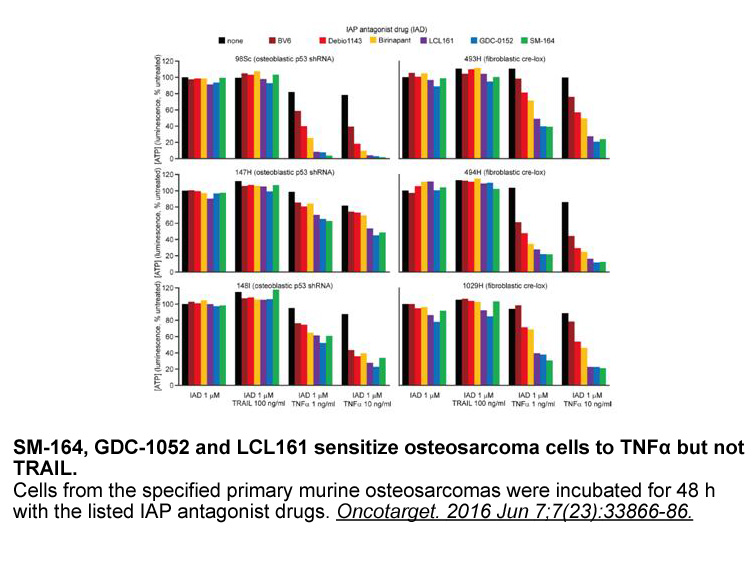
Introduction In the treatment of patients with AIDS and human immunodeficiency virus type 1 (HIV-1), anti-retroviral therapy (ART), which uses anti-HIV drugs such as protease inhibitors, integrase inhibitors and reverse transferase inhibitors, has made a major contribution. There are still some s
8065 records 520/538 page Previous Next First page 上5页 516517518519520 下5页 Last page