Archives
- 2026-10
- 2026-09
- 2026-08
- 2026-07
- 2026-06
- 2026-05
- 2026-04
- 2026-03
- 2026-02
- 2026-01
- 2025-12
- 2025-11
- 2025-10
- 2025-09
- 2025-03
- 2025-02
- 2025-01
- 2024-12
- 2024-11
- 2024-10
- 2024-09
- 2024-08
- 2024-07
- 2024-06
- 2024-05
- 2024-04
- 2024-03
- 2024-02
- 2024-01
- 2023-12
- 2023-11
- 2023-10
- 2023-09
- 2023-08
- 2023-07
- 2023-06
- 2023-05
- 2023-04
- 2023-03
- 2023-02
- 2023-01
- 2022-12
- 2022-11
- 2022-10
- 2022-09
- 2022-08
- 2022-07
- 2022-06
- 2022-05
- 2022-04
- 2022-03
- 2022-02
- 2022-01
br Experimental section br Competing interests br Author s
2025-02-17
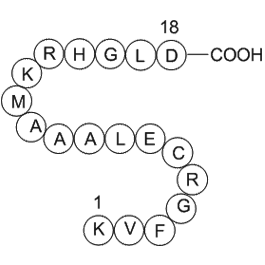
Experimental section Competing interests Author's contributions Acknowledgement This research is partially supported by a seed fund for the Center for Drug Discovery and Translational Research (LS) and a research grant by Fujifilm (VPS and LS). The Sponsors played no roles in study desig
Several in vivo and in vitro studies have demonstrated chang
2025-02-17
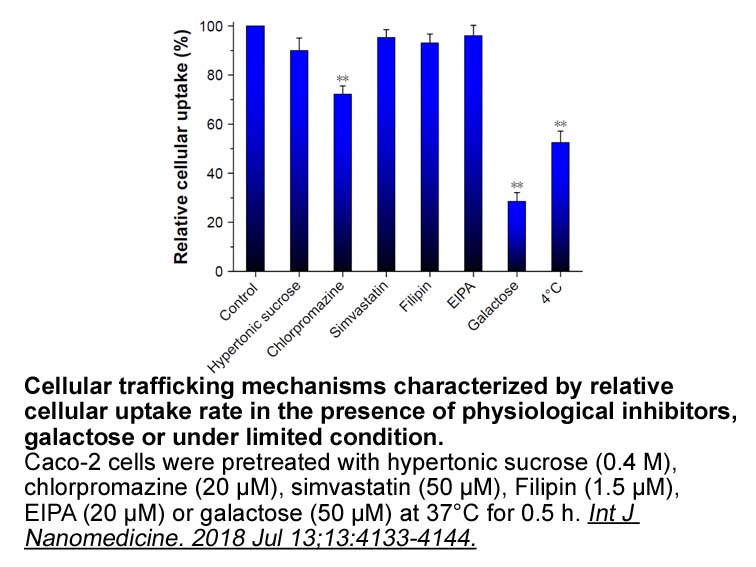
Several in vivo and in vitro studies have demonstrated changes in bioactive lipid profiles under hyperglycemic conditions and have linked these changes with increased leukocyte adhesion and vascular dysfunction during diabetes. This input has originated partly from lipidomic studies that showed elev
The skin permeability barrier is important for
2025-02-17
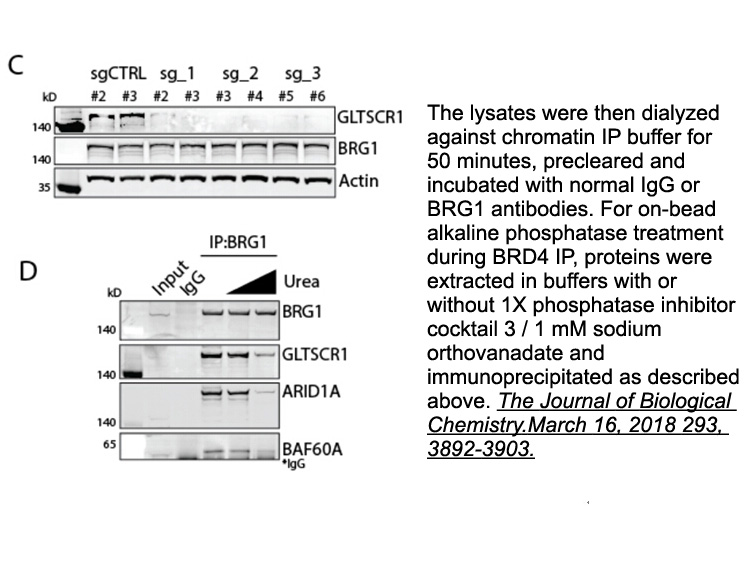
The skin permeability barrier is important for the prevention of loss of water and electrolytes from inside the body and for protection against the invasion of external pathogens, allergens, and harmful compounds. Multi-layered lipids, called lipid lamellae, are present in the outermost cell layer o
br Conclusion br Acknowledgements br Introduction
2025-02-17
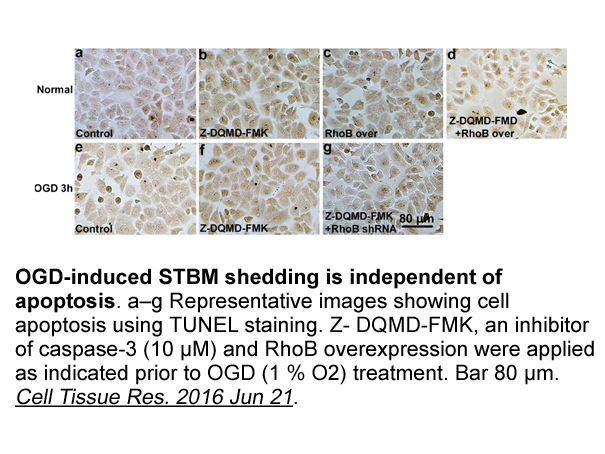
Conclusion Acknowledgements Introduction Synapses are the fundamental elements of neuronal networks that enable the processing, encoding, and retrieval of information in the brain, and pathological disruptions in synapse structure are broadly held to underlie the development of neurological
Thus phosphorylation of p was used to measure the
2025-02-17
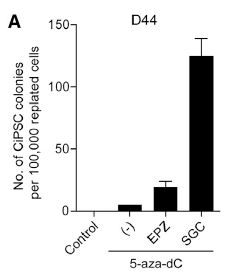
Thus, phosphorylation of p38 was used to measure the intracellular potency of ASK1 inhibitors. In this assay, HEK293/AP-1luc nigericin expressing human full-length ASK1 were incubated with compound for 18 h and then lysed and the level of phospho-p38 was quantified using the HTRF assay [33]. Resu
br Conclusions A large body
2025-02-17
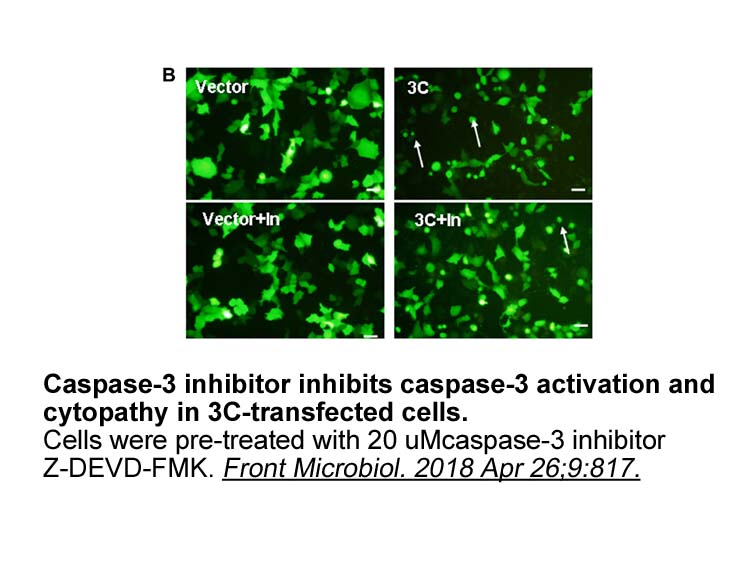
Conclusions A large body of evidence indicates that oxidative stress is involved in the pathogenesis of NDDs. Hence, reducing oxidative stress or suppressing its downstream pathways may be beneficial for the treatment of these diseases, especially such chronic diseases as AD or glaucoma. Here we
dnase1 There is little question that
2025-02-15

There is little question that as we become more proficient in the diagnosis of arginase 1 deficiency individuals with intermediary elevations in arginine on newborn screening and partial defects in enzymatic activity will be found. There are no reliable data to determine a safe level of arginine and
br Results br Discussion AP a heterodimeric transcription fa
2025-02-15
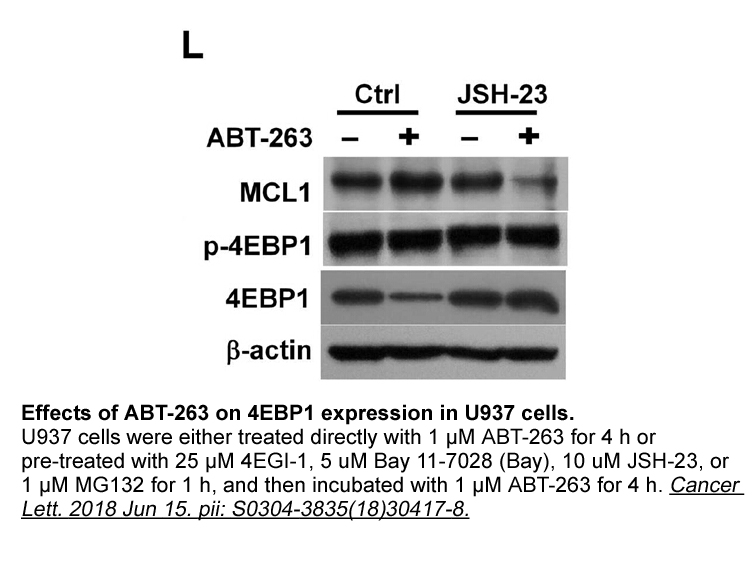
Results Discussion AP-1, a heterodimeric transcription factor comprising various combinations of FOS, JUN, MAF, ATF, and CREB family proteins, has been known to play a pivotal role in leukocyte development for decades (Liebermann et al., 1998; Valledor et al., 1998). However, its participation
Tumor tissues often experience hypoxia owing to accelerated
2025-02-15
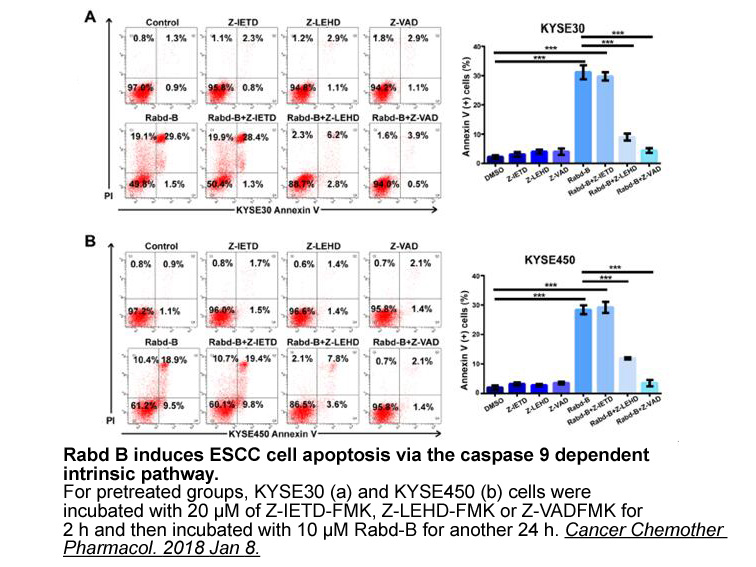
Tumor tissues often experience hypoxia owing to accelerated growth rates of malignant cells, accumulation of metabolic products, disorganization of tumor blood vessels, and high interstitial fluid pressures (Makino et al., 2001). In response to AAD treatment, tumor vascular density often decreases t
br Valsartan It is another ARB with several reports for
2025-02-15
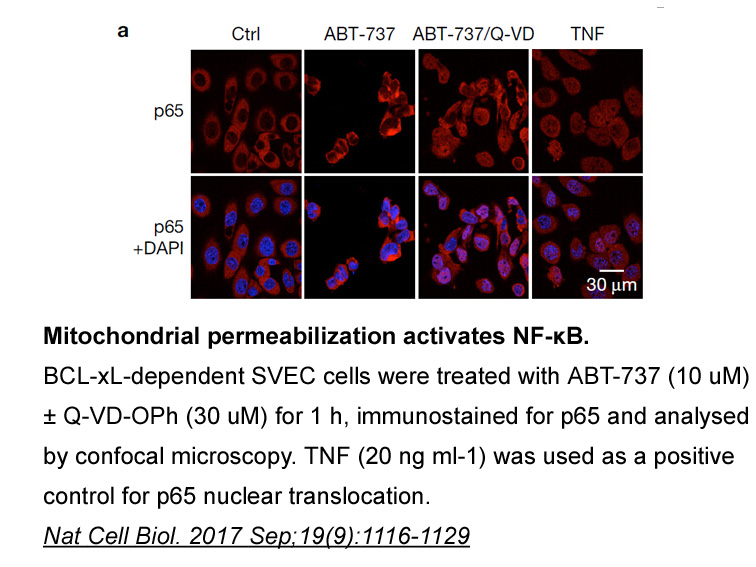
Valsartan It is another ARB, with several reports for its beneficial effects on CV system both in preclinical and clinical studies. Valsartan treatment has reduced the levels of pentraxin 3, a marker for inflammation and is well tolerated in terms of side effects [17]. In BSCORE study, 90-day sec
It was reported that oral administration of CSZ
2025-02-15
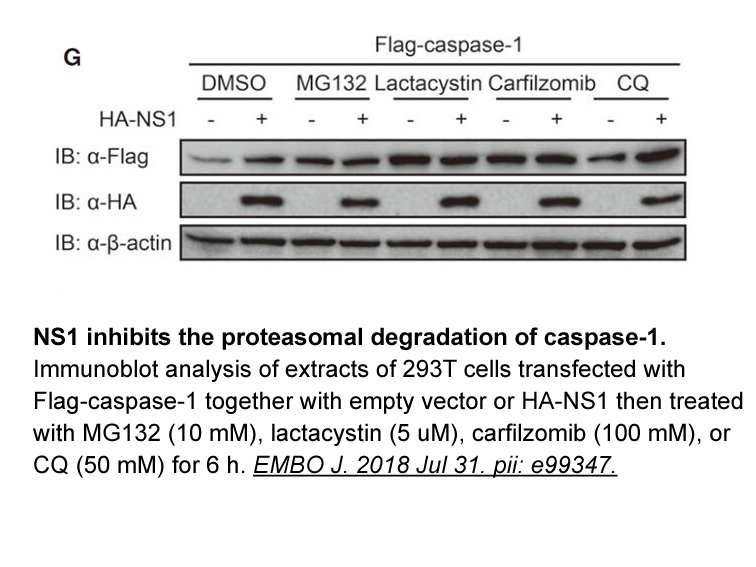
It was reported that oral administration of CSZ to C57BL/6J mice significantly improved spatial learning and memory, and prevented Aβ-induced immunoresponse in Aβ25-35-injected mice. However, post-treatment with CSZ after Aβ25-35 administration, when Aβ was already accumulated, did not prevent Aβ-in
The RE compartment has been shown to be
2025-02-15
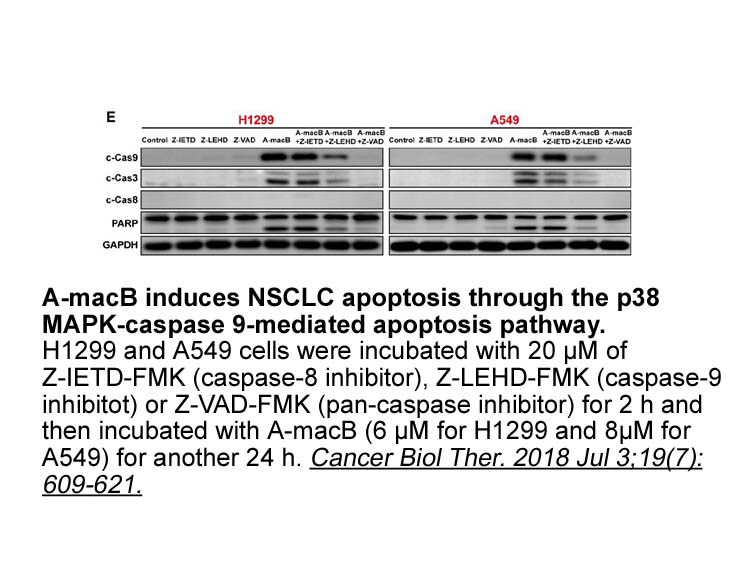
The RE compartment has been shown to be critical for supplying AMPAR during LTP (Hanley, 2010; Park et al., 2004), but whether they also supply AMPAR for synaptic scaling has been less clear (Gainey et al., 2015; Tan et al., 2015). Interestingly, although an increase in μ3A is necessary for scaling,
Aldose reductase AR is an NADPH
2025-02-15
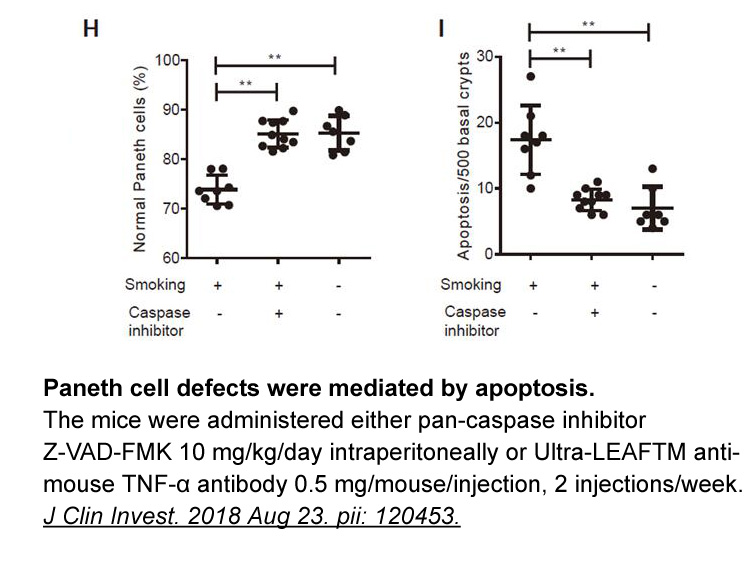
Aldose reductase (AR), is an NADPH-dependent aldo-keto reductase very well studied as a catalyst of glucose conversion to sorbitol in the polyol pathway [11], [12]. In the diabetic lens characterized by chronically high levels of glucose, AR is responsible for production of high levels of sorbitol a
Overexpression of AR in a transgenic mouse
2025-02-15
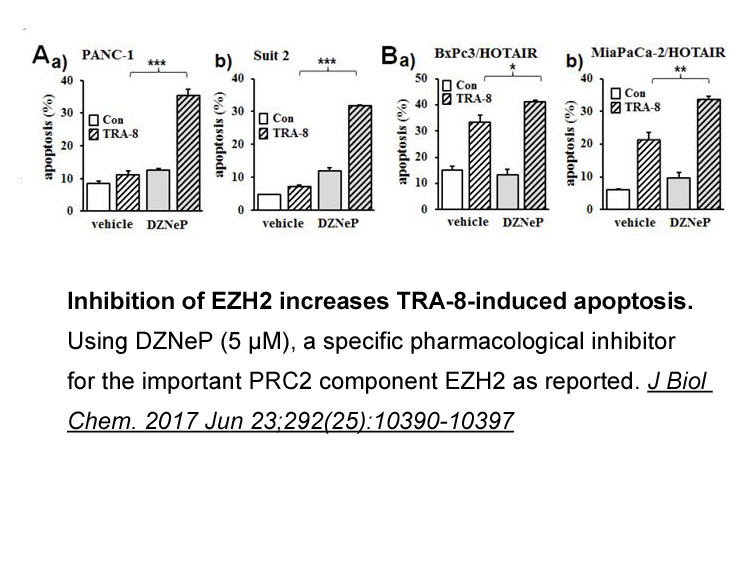
Overexpression of AR in a transgenic mouse model leads to a capsular cataract phenotype involving proliferation and formation of a fibrotic plaque of cells reminiscent of cells at the posterior PX 866 in PCO [17]. To investigate the molecular mechanism that could link AR expression to this phenotyp
Obesity is defined as a body mass
2025-02-15
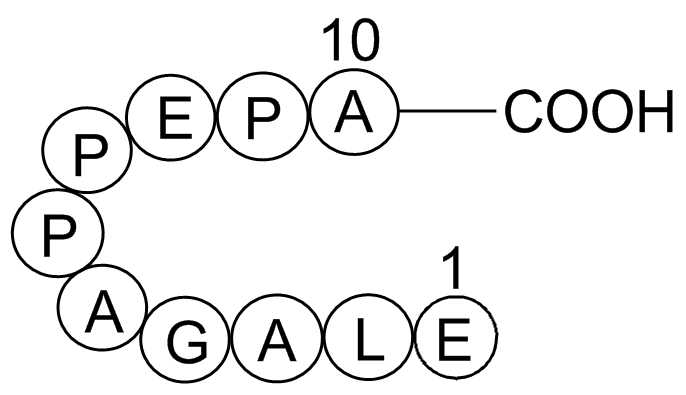
Obesity is defined as a body mass index (BMI) of 30kg/m2 or higher and is known to have a very close association with the risk of developing cancers (Hsueh and Deng, 2016). Several theories exist as to how this link is defined with respect to various cancers, one of which involves the effect of obes
8069 records 49/538 page Previous Next First page 上5页 4647484950 下5页 Last page