Archives
- 2026-10
- 2026-09
- 2026-08
- 2026-07
- 2026-06
- 2026-05
- 2026-04
- 2026-03
- 2026-02
- 2026-01
- 2025-12
- 2025-11
- 2025-10
- 2025-09
- 2025-03
- 2025-02
- 2025-01
- 2024-12
- 2024-11
- 2024-10
- 2024-09
- 2024-08
- 2024-07
- 2024-06
- 2024-05
- 2024-04
- 2024-03
- 2024-02
- 2024-01
- 2023-12
- 2023-11
- 2023-10
- 2023-09
- 2023-08
- 2023-07
- 2023-06
- 2023-05
- 2023-04
- 2023-03
- 2023-02
- 2023-01
- 2022-12
- 2022-11
- 2022-10
- 2022-09
- 2022-08
- 2022-07
- 2022-06
- 2022-05
- 2022-04
- 2022-03
- 2022-02
- 2022-01
Compared to previously reported atypical N glycosites
2022-05-23
Compared to previously reported atypical N-glycosites that were identified based on the deamidation of asparagine residues after PNGase F treatment [106], [107], these two studies further validated the identified atypical motif glycosites by directly identifying their intact glycopeptides. Since the
Although glycine receptors predominate in the brain stem
2022-05-23
Although glycine receptors predominate in the brain stem and spinal cord, they are also expressed in higher brain regions such as the nucleus accumbens, frontal cortex, and hippocampus (Jonsson et al., 2012, Jonsson et al., 2009, Molander and Söderpalm, 2005b). A variety of drugs of abuse, including
br Acknowledgements This work was supported by
2022-05-23
Acknowledgements This work was supported by the grants from National key Basic Research Program of China (2012CB124702), 948 Program (2015-Z33), National Natural Science Foundation of China (31172093, 31301947), the National Science Foundation for Fostering Talents in Basic Research (J1103510), S
br Ca influx through glutamate receptors is
2022-05-23
Ca2+ influx through glutamate receptors is thought to play a critical role in synaptogenesis and in the formation of neuronal circuitry during early development[45]. Because AMPA receptors might contribute to these processes, particularly at times and in cells in which NMDA receptor expression is
Bacterial GluRS comes in two flavors discriminatory
2022-05-23
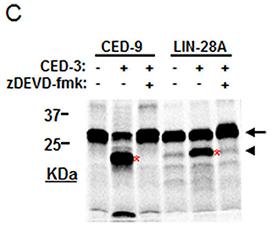
Bacterial GluRS comes in two flavors, discriminatory GluRS (D-GluRS) and non-discriminatory GluRS (ND-GluRS). While D-GluRS exclusively catalyses the transfer of Glu to tRNAGlu, the ND-GluRS can also glutamylate tRNAGln forming Glu-tRNAGln. The misacylated product is then transformed to Gln-tRNAGln
CFDA-SE To evaluate SLC A abundance after transfection we pe
2022-05-23
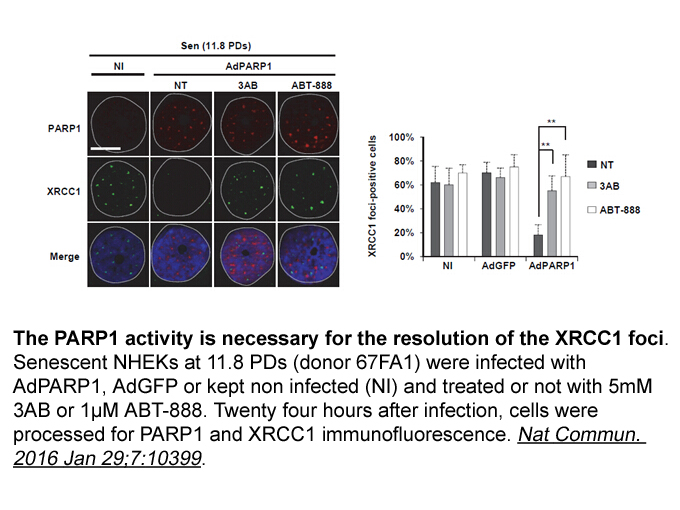
To evaluate SLC45A1 abundance after transfection, we performed western blots. Transfected COS-7 CFDA-SE were lysed and separated for membrane fraction. Equal amounts of proteins from membrane fractions were resolved by SDS-PAGE, transferred to a nitrocellulose filter, and immunoblotted with an anti
The expression of GLUT receptors
2022-05-23
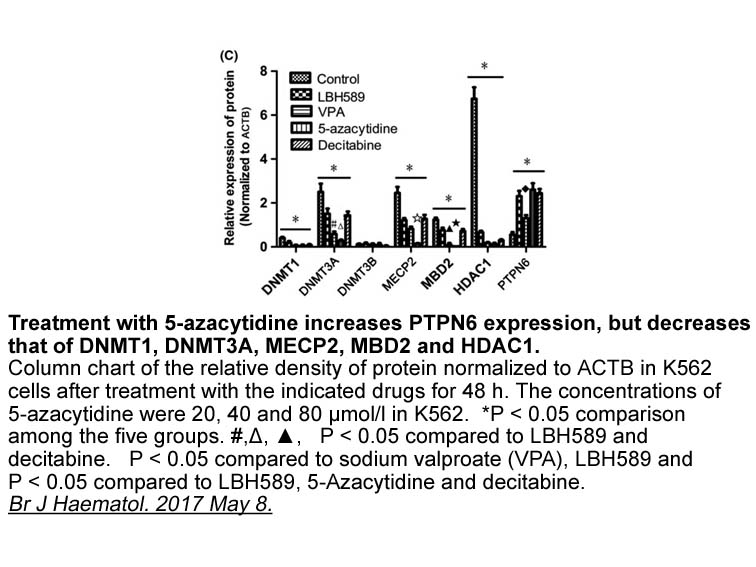
The expression of GLUT receptors throughout the body could be considered a potential source for off-target effects even for engineered glucose-conjugated nanomedicines, as there are at least 12 types of GLUT transporters in the body, including GLUT1 in erythrocytes and the blood-brain barrier, as we
GSIs were shown to effectively decrease A levels
2022-05-23

GSIs were shown to effectively decrease Aβ levels at doses close to or higher than their IC50 values in cell culture models. Surprisingly, they also slightly increase Aβ levels at low doses, (significantly below the IC50) also known as “Aβ rise”, due to various mechanisms including inhibition of cel
br Role of FPRs in Cancer
2022-05-23
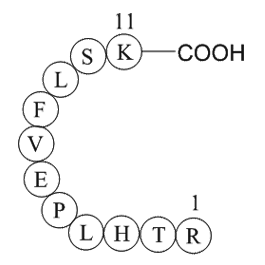
Role of FPRs in Cancer Concluding Remarks Activation of FPRs by formylated bacterial peptides or by host-derived mitochondrial peptides is required for local control of infection and wound healing. Nevertheless, various detrimental effects can result from the release of formylated peptides int
The normal function of the FBPase enzyme
2022-05-23
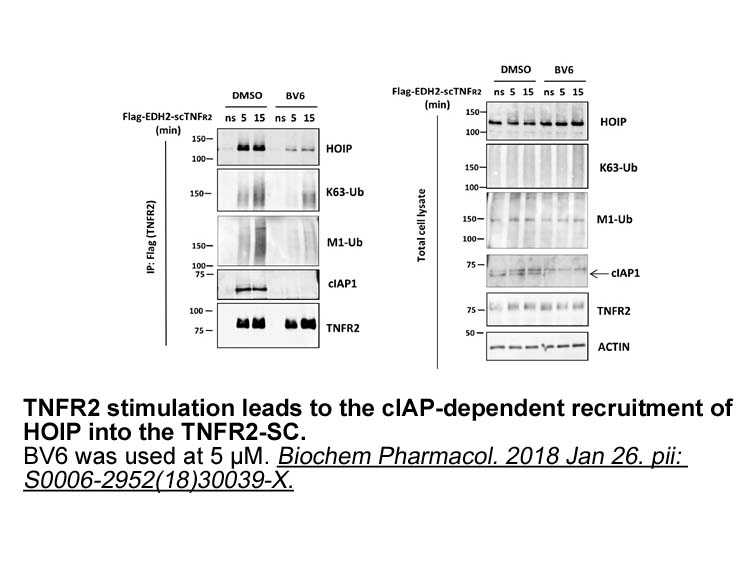
The normal function of the FBPase enzyme is to catalyze the hydrolysis of F1,6BP to F6P. This activity is induced by diabetes and starvation and is increased in diabetic rats. The level of FBPase can be normalized by insulin, however, similar information is not available from diabetic patients. FBPa
br PEPCK This enzyme decarboxylates and
2022-05-23
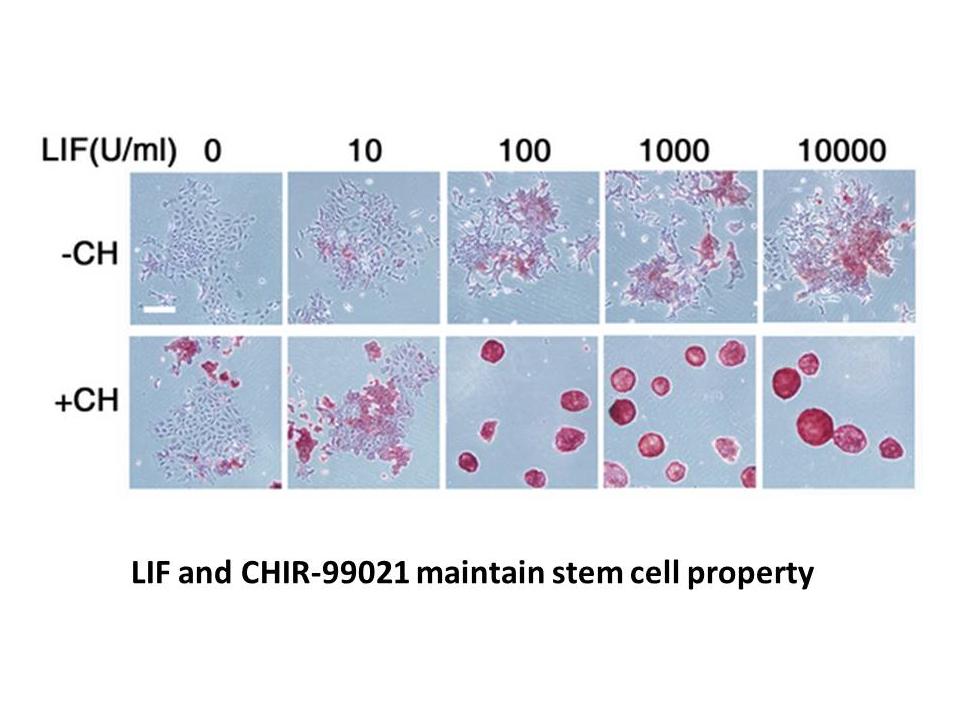
PEPCK This enzyme decarboxylates and then phosphorylates oxaloacetate to form phosphoenolpyruvate (PEP) in the second step of gluconeogenesis after the carboxylation of pyruvate catalyzed by PC. PEPCK1 (PEPCK-C, encoded by the PCK1 gene) and PEPCK2 (PEPCK-M, encoded by the PCK2 gene) are two isof
The membrane metalloendopeptidase MME gene is located at hum
2022-05-23
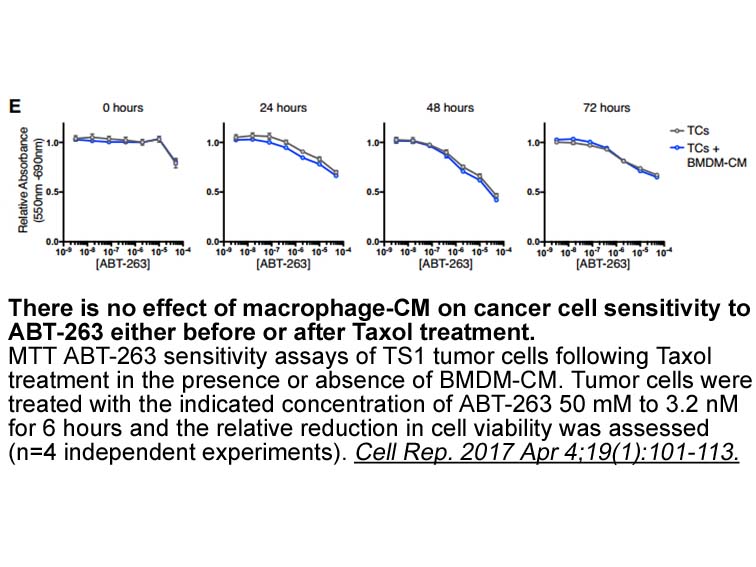
The membrane metalloendopeptidase (MME) gene is located at human chromosome 3q21-27. It encodes a 100-kD type II transmembrane glycoprotein, a widely expressed membrane metalloendopeptidase that degrades a number of substrates. The active site of the enzyme faces the extracellular space. MME is wide
Contrary to the transient nature of signal
2022-05-23
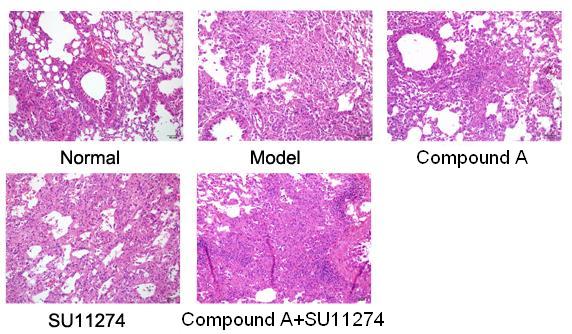
Contrary to the transient nature of signal transmission through PLCβ, genome-wide RNAi screens revealed that the signaling events driven by Gαq that result in aberrant cell proliferation depends on highly specific protein-protein interactions, rather than solely on diffusible second messenger system
Piperlongumine mg Acknowledgments br Introduction Stress pla
2022-05-23
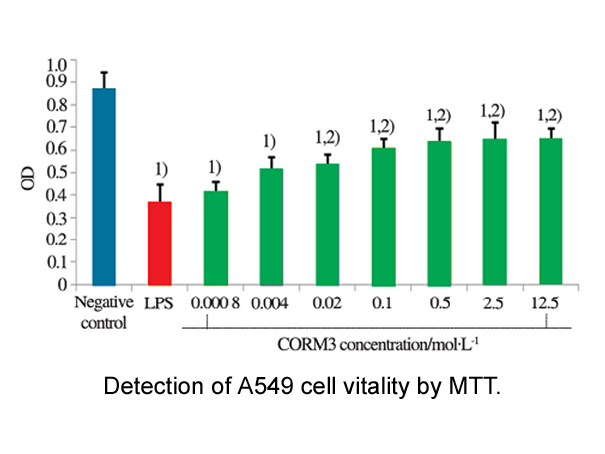
Acknowledgments Introduction Stress plays a key role in the etiology and/or exacerbation of major depressive disorder characterized by loss of energy, feelings of hopelessness and anhedonia [1]. Ample evidence clearly suggests that endocannabinoids (eCBs) participate in stress-associated neurona
br Materials and methods br Results br
2022-05-23
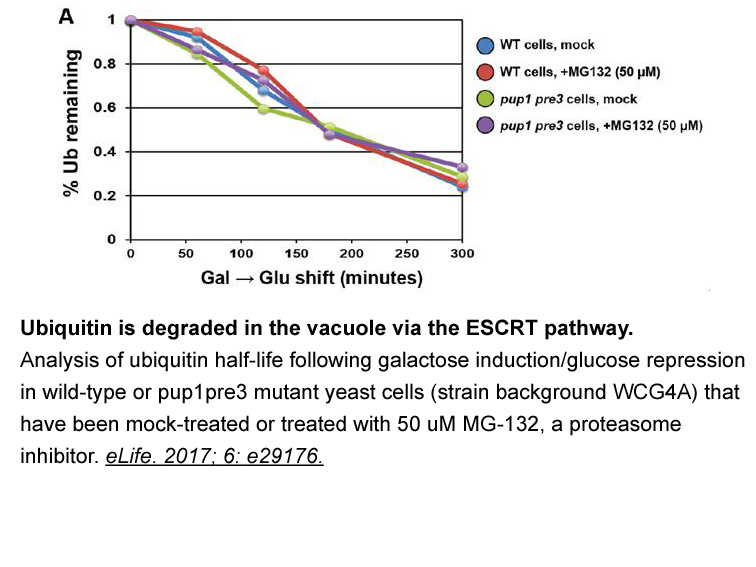
Materials and methods Results Discussion EZH2 is a subunit of the polycomb repressive complex, which trimethylates lysine 27 on histone 3, a repressive marker for gene expression. EZH2 is important for cancer cell proliferation, migration, and invasion, all of which are associated with canc
8066 records 457/538 page Previous Next First page 上5页 456457458459460 下5页 Last page